What cortisol actually does
Cortisol is the body's primary stress hormone, released in response to physical or psychological stress. In short bursts, it's healthy — mobilizing energy for a fight-or-flight moment. The problem is chronic, sustained elevation, increasingly common with modern stress that never fully resolves.
The cortisol-fat storage connection
Chronically elevated cortisol has a well-documented link to increased abdominal fat specifically. Cortisol promotes fat storage in visceral tissue more than elsewhere, and that tissue itself carries a higher density of cortisol receptors — a feedback loop that concentrates stress-driven storage exactly where it's most linked to metabolic health concerns.
Research context: Studies pairing cortisol patterns with body composition consistently find higher visceral fat in people with dysregulated cortisol rhythms, independent of total calorie intake.
Cortisol's effect on food choice
Beyond storage location, cortisol biases appetite too — chronic stress is linked to increased preference for high-fat, high-sugar comfort foods specifically, not more hunger overall.
What adaptogens are supposed to do
"Adaptogen" describes botanicals studied for a proposed role in helping the body maintain stability under stress — supporting a more balanced cortisol response, not eliminating cortisol (which wouldn't be safe or desirable).
What's specifically studied about maca
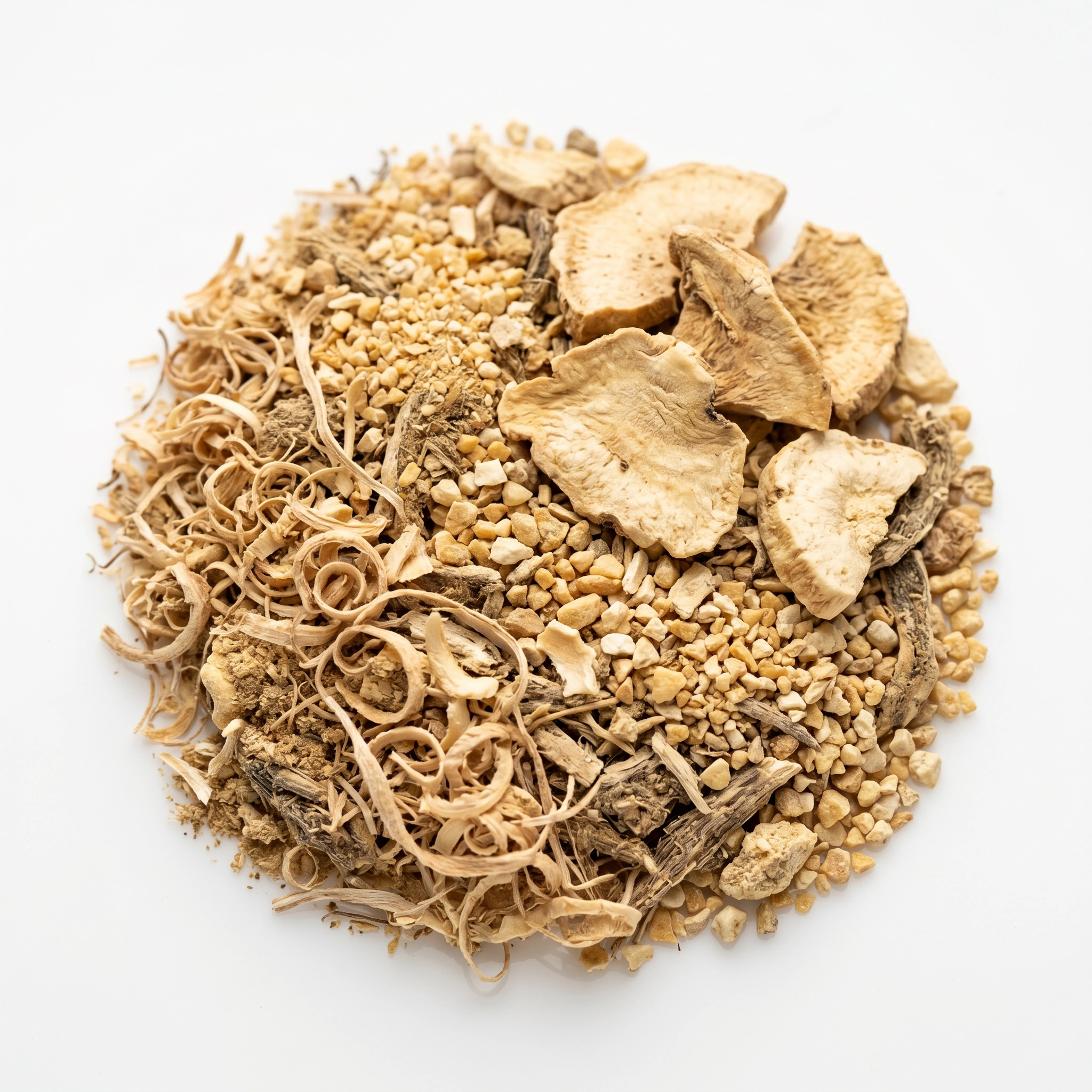
Maca root, native to the Andes, has deep traditional use plus research on energy, mood, and hormonal balance. The research base is smaller than for some other adaptogens, but its traditional and preliminary profile made it a fit for a formula addressing stress as a contributing factor in weight management difficulty.
Why this matters in a broader formula
Targeting thermogenesis and appetite while ignoring the stress-hormone environment leaves a real gap — someone under chronic stress may see blunted results from fat-burning ingredients alone, since cortisol actively works against both mechanisms.
The sleep-cortisol link worth addressing separately
Poor sleep independently raises next-day cortisol, creating a cycle where stress disrupts sleep and sleep debt raises stress hormones further. No adaptogen fully substitutes for adequate sleep — complementary, not interchangeable levers.
Non-supplement factors that shape cortisol
Regular moderate exercise, time outdoors, and consistent daily routines all correlate with more balanced cortisol patterns in research — different pathways, same target.
Six Ingredients, One Daily Dropperful
Non-GMO. Made in the USA. 60-day guarantee.
Order Now — From $49